
Lately, I’ve heard the word “Taco” being used as an acronym. As an American, I find it funny. But as a Mexican, it offends me that something so deeply symbolic of my native culture is being used to describe someone whose values are completely opposed to what tacos represent. But instead of getting upset, I would like to take this opportunity to tell you about the real tacos we all love.
According to historycooperative.org, “the invention of tacos cannot be attributed to a single individual or moment in history. Instead, tacos are a culinary creation that evolved over centuries, primarily within the indigenous cultures of Mexico, long before Spanish colonization.”
Some linguists believe the word comes from the Nahuatl word tlahco, which means “half” or “in the middle,” referring to the way a taco is formed.
There are many kinds of tacos. In my experience, we have Mexican tacos and American tacos—both delicious in their own way, but very different.
When I moved to the U.S., eating tacos at Taco Bell was a big cultural shock. I had never seen crunchy tacos or tacos made with ground beef. In fact, in my 26 years living in the U.S., I have eaten at Taco Bell about five times, and I got sick twice. Sorry Taco Bell lovers.
In Mexico, we only eat soft tacos. The crunchy ones are called flautas. We also have quesadillas, which can be soft or crunchy, and tostadas—a flat, crispy tortilla topped with similar ingredients to tacos.
If you want ground beef in a taco, we use picadillo, which is ground beef cooked with potatoes and carrots in tomato sauce made with fresh ingredients like onion, garlic, and herbs.
You might know street tacos, but we also have tacos rojos or red tacos made with tortillas soaked in red salsa and oil but not crunchy. They can be filled with beans, cheese, shredded beef, mashed potatoes, picadillo, and more, and are topped with lettuce and queso fresco, never cheddar cheese!
Mexican tacos are always made with corn tortillas. When we use flour tortillas, they are usually called gringas or burritos, more commonly found in northern Mexico.
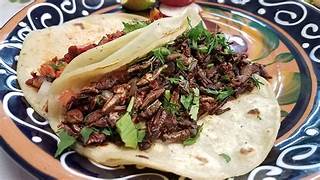
We also have adventurous tacos you can find in farmers markets, as well as expensive restaurants, like brain tacos called cesos, cow or pork blood tacos called moronga, bull or pork testicle tacos called criadillas, cow intestine tacos called tripas, or grasshopper tacos. But if you are vegetarian, you can have quesadillas or tacos made with pumpkin flowers and cheese. All these are just some of the tacos Mexico has.
As you can see, Mexican tacos are as rich, diverse, and vibrant as the Mexican culture itself.
So, about that acronym…
Our tacos are about community, flavor, tradition, and joy; not division, hate, or stereotypes. Let’s honor them for what they are, a beautiful gift from our culture to the world!
TRADUCCION AL ESPAÑOL
Últimamente he escuchado que la palabra “Taco” se está usando como acrónimo. Como estadounidense, me parece chistoso, como mexicana, me ofende que algo tan simbólico de mi cultura nativa esté siendo utilizado para representar a alguien que se opone a lo que los tacos representan.
Pero en lugar de enojarme, me gustaría aprovechar esta oportunidad para hablar sobre los verdaderos tacos que a todos nos encanta.
Según historycooperative.org, “la invención del taco no puede atribuirse a una sola persona o a un momento específico en la historia. En cambio, los tacos son una creación culinaria que evolucionó a lo largo de los siglos, principalmente dentro de las culturas indígenas de México, mucho antes de la colonización española.”
Algunos lingüistas creen que la palabra proviene del náhuatl tlahco, que significa “mitad” o “en el medio”, en referencia a la forma del taco.
Hay muchos tipos de tacos. En mi experiencia, tenemos tacos mexicanos y tacos estadounidenses, ambos deliciosos a su manera, pero muy diferentes.
Cuando me mudé a los Estados Unidos, comer tacos en Taco Bell fue un gran choque cultural. Nunca había visto tacos crujientes o tacos hechos con carne molida de esa manera. De hecho, en mis 26 años viviendo en Estados Unidos, he comido en Taco Bell unas 5 veces, y me enfermé 2. A los que aman Taco Bell, lo siento.
En México, solo comemos tacos blandos. Los crujientes se llaman flautas. También tenemos quesadillas, que pueden ser blandas o crujientes, y tostadas, que son tortillas planas y crujientes cubiertas con ingredientes similares a los de los tacos.
Si quieres carne molida en un taco, usamos picadillo, que es carne molida cocinada con papas y zanahorias en una salsa de tomate hecha con ingredientes frescos como cebolla, ajo y hierbas.
Tal vez conozcas los tacos callejeros, pero también tenemos tacos rojos, hechos con tortillas remojadas en salsa roja y aceite, pero no crujientes. Se pueden rellenar con frijoles, queso, carne deshebrada, puré de papa, picadillo, y más, y se cubren con lechuga y queso fresco —¡nunca queso cheddar!
Los tacos mexicanos siempre se hacen con tortillas de maíz. Cuando usamos tortillas de harina, generalmente se llaman gringas o burritos, más comunes en el norte de México.
También tenemos tacos más exóticos que se encuentran en mercados o restaurantes de lujo, como los tacos de sesos, tacos de moronga (sangre de res o cerdo), tacos de criadillas (testículos de toro o cerdo), tacos de tripas, o tacos de chapulines. Pero si eres vegetariano, puedes comer quesadillas o tacos de flor de calabaza con queso. Todos estos son solo algunos ejemplos de los muchos tacos que hay en México.
Como puedes ver, los tacos mexicanos son tan ricos, diversos y vibrantes como la cultura mexicana misma.
Así que, sobre ese acrónimo…
Nuestros tacos son sobre comunidad, sabor, tradición y alegría; no sobre división, odio o estereotipos. ¡Honrémoslos por lo que son: un hermoso regalo de nuestra cultura para el mundo!
 De este lado del muro